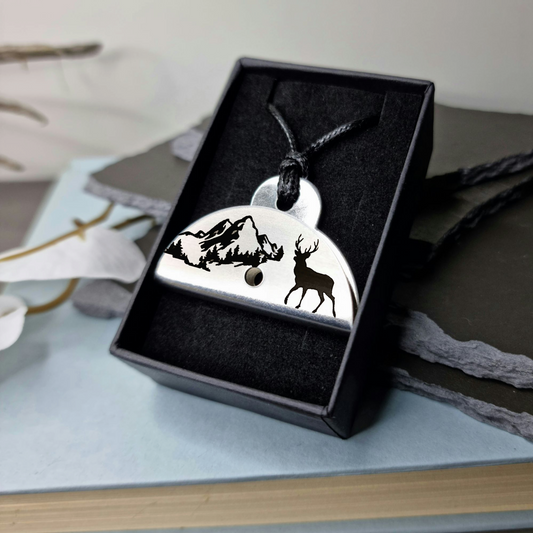

How to Use a Shepherd's Whistle and Whistle Commands
Why use with a shepherd's whistle?
A whistle carries much further than the human voice, and it isn't distorted by wind, rain, or background noise the way shouting is. It also removes your vocal tone from the equation, so a command sounds the same whether you're calm, tired or frustrated, which keeps things consistent for the dog. Most trainers agree it's best to teach every command with your voice first, and only add the whistle once the dog is reliably working further away from you.
Getting the whistle into position
- Hold it correctly. Your whistle comes with a cord attached, so you can wear it around your neck and always have it to hand.
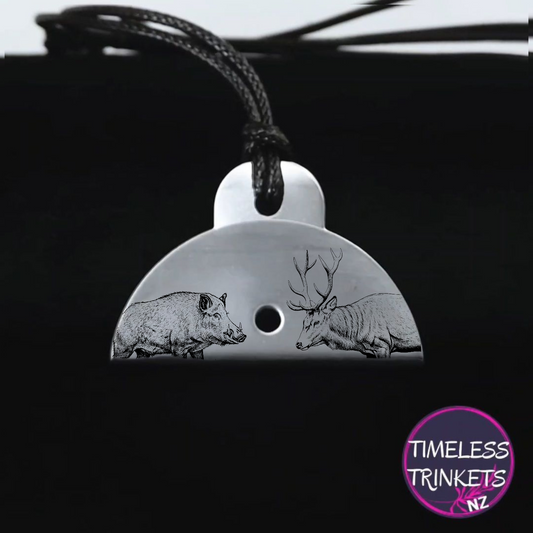
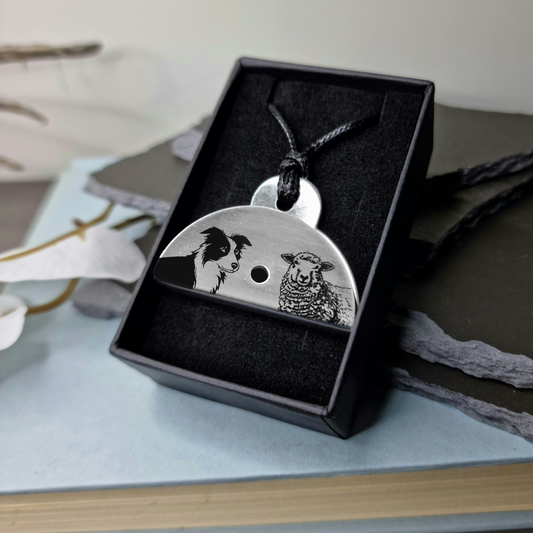
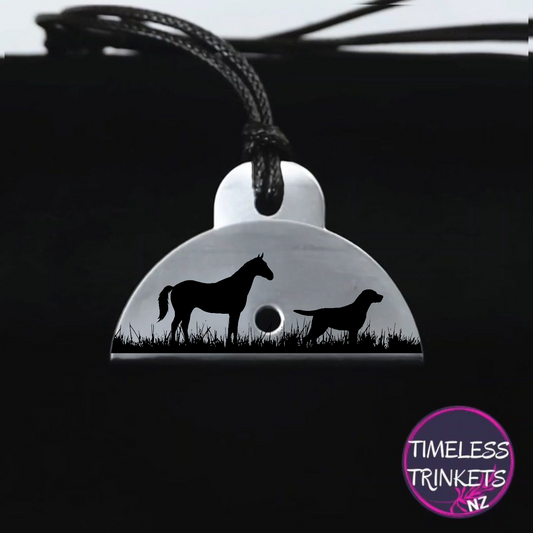
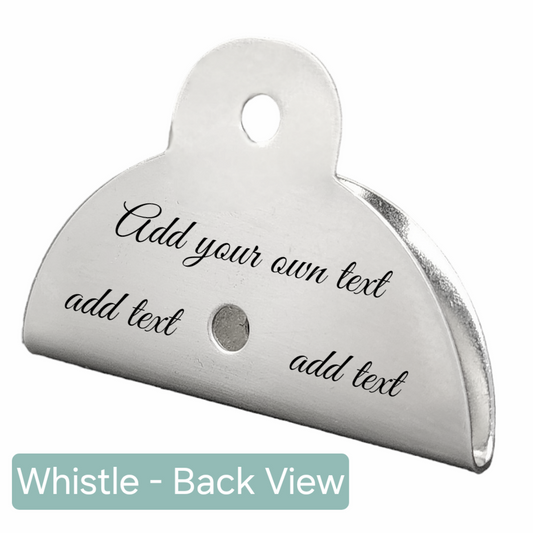
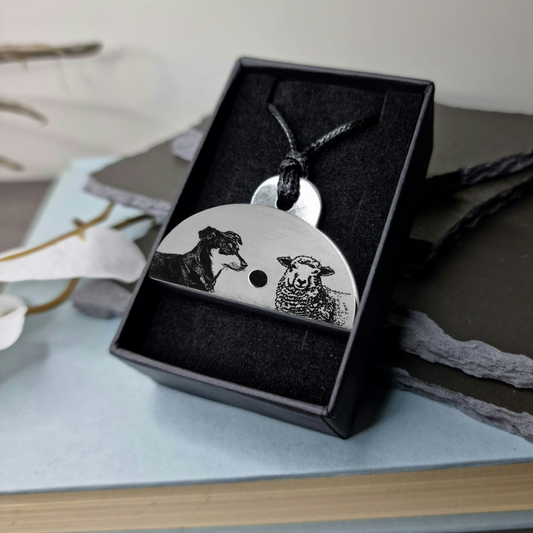
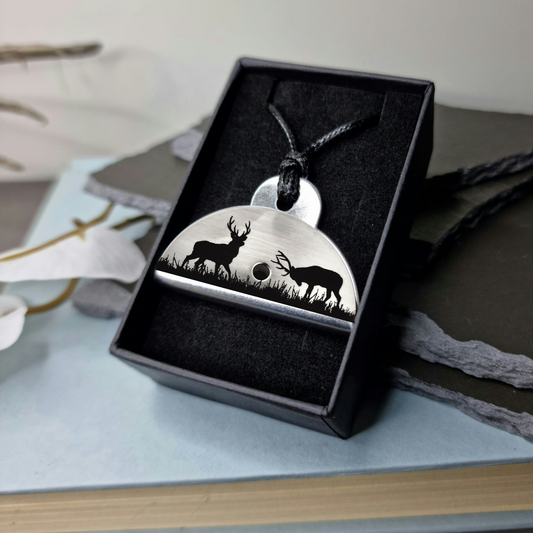
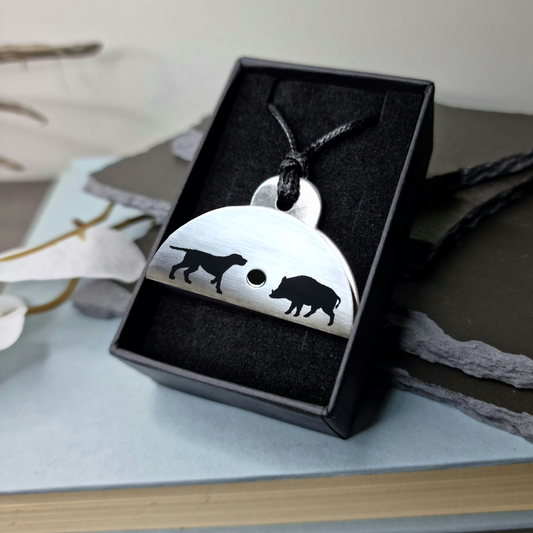
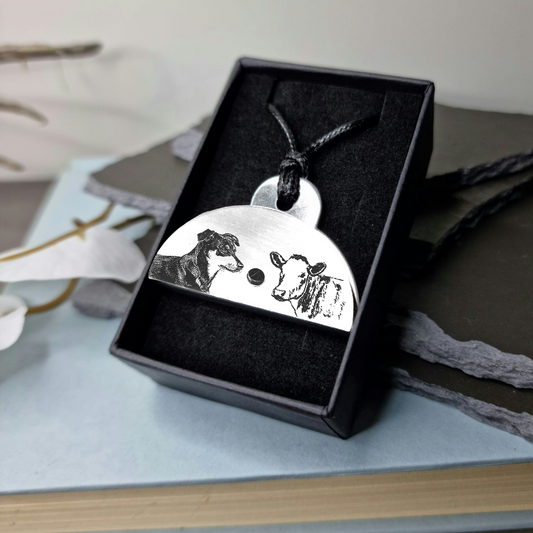
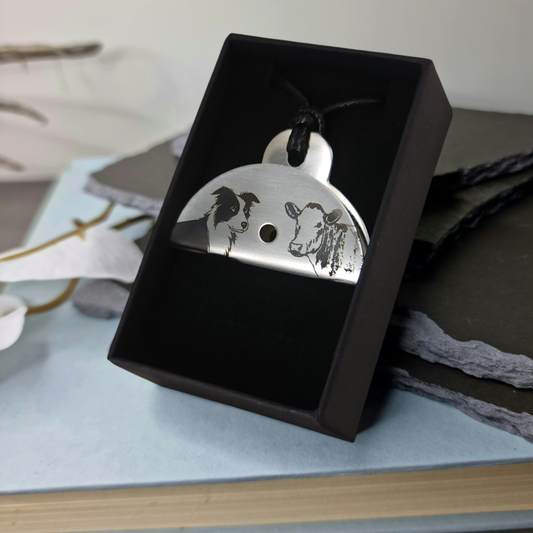
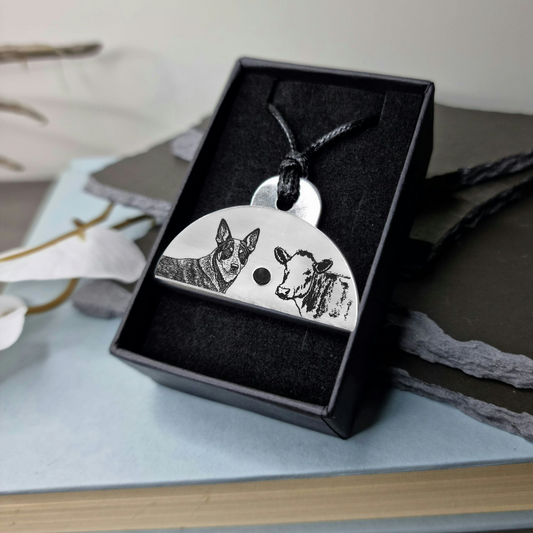
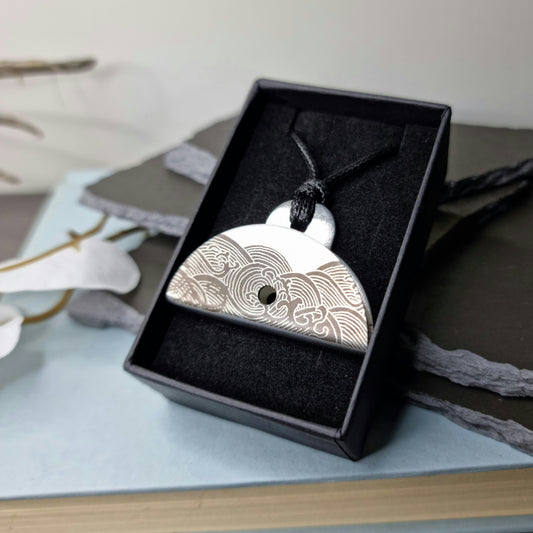
- Place it in your mouth. Position the whistle with the tab facing outward, so the open (flat) edge faces forward and the closed, rounded edge rests against your tongue. There's a small air hole on the top and bottom, make sure your lips or tongue aren't blocking either one.
- Seal it with your lips. Close your lips gently around the top and bottom edges so air can only escape through the front slot, not around the sides.
- Position your tongue. Rest your tongue against the back, closed edge, not flat underneath it. Some people find it easier with the tip pressed just behind the front teeth; others prefer it a little further back. A bit of trial and error is completely normal here.
- Blow gently. Breathe from your chest rather than puffing out your cheeks, sending a steady stream of air through the top and bottom holes. You're aiming for a clean "peep," not a rush of air.
Getting your first sound
Almost everyone finds this fiddly to begin with. A few things that help:
- Start quiet, and start alone. Practise somewhere private until you can reliably get a sound so as to avoid confusing the dog.
- Adjust in small steps. Getting rushing air but no tone? Try moving the whistle slightly further into your mouth, or shift your tongue a fraction up or down against the back edge. Small movements make a big difference.
- Vary the pitch once you've got a sound. Tone and pitch come from the angle of your tongue and the pressure of your breath. Lifting or lowering your tongue against the back of the whistle changes the pitch; blowing harder or softer changes the volume.
- Build up gradually. Once you can produce a sound reliably, try holding a note, then copying a simple tune, then matching a pitch someone else plays for you. If you can copy a note accurately, you're ready to start assigning sounds to commands.
Recommended whistle commands
These are the traditional commands used across most working-sheepdog training in NZ and further afield. You don't have to use these exact sounds, what matters far more is that each command is distinct and used consistently. Starting from an established set makes it easier to find reference recordings and other handlers to learn from.
| Command | Whistle sound | Tells the dog to… |
|---|---|---|
| Stop | one long, steady blast | Stop and lie down |
| Come | whee–whee–wheet | Come back to the handler |
| Walk Up | two short whistles | Walk straight toward the livestock |
| Come By | wheet–wheeeo | Move clockwise around the livestock |
| Way to Me | whee–who | Move counter-clockwise around the livestock |
| Get Out | wheet–wheeo–wheet–wheet | Move further away from the livestock |
| Look Back | who–hee–who | Turn around and gather more livestock |
| Take Time | hee–hee–hee–hee | Slow to a steady pace |
| That'll Do | hee–hee–hee–hee (short & sharp) | Stop working and return to the handler |
"Take Time" and "That'll Do" are built from the same base pattern but given a different rhythm or emphasis. Some handlers deliver "That'll Do" shorter and crisper to keep it distinct. If you're building your own command set, make sure no two commands sound alike, especially over distance or in wind.
Training tips
- Teach with your voice first. Start every new command as a voice cue, and only bring in the whistle once the dog is solid on it and beginning to work further away from you.
- Pair, then fade. When you introduce the whistle, give the whistle command immediately followed by the familiar voice command, so the dog links the two. Phase out the voice cue over repetitions until the whistle alone gets the response.
- One tone, one meaning. Keep each whistle command completely consistent. The value of a whistle is that it's more reliable than a voice, and inconsistency undoes that fast.
- Start with the most important command. Most trainers teach "stop" or "recall" first, since these are the safety-critical commands you'll rely on most.
- Practise your own technique away from the dog. Get confident and consistent with each sound on your own before using it in training - a wobbly whistle command will confuse a dog more than no whistle at all.
- Match tone to intent, once you're ready. Softer tones can carry a praise-adjacent feel; sharper tones can signal urgency. Dogs pick up on this nuance quickly.
A final noteLearning to blow a shepherd's whistle well can take anywhere from a few days to a few weeks of regular, short practice sessions. Everyone progresses at a different pace, and that's completely normal. Most dogs pick up the whistle commands faster than their owner masters the whistle itself. Keep sessions short and low-pressure for both of you, and enjoy the process - it's a genuinely satisfying skill once it clicks. |